Eden Long · 6 October 2026
Polish universities are investing significantly in laboratory upgrades to align with the latest European Union directives on cleanroom environments. These changes aim to enhance research quality and safety in scientific facilities across the country. Funding for these projects comes from a combination of government budgets and European structural funds, with an emphasis on sustainable and energy-efficient designs.
New EU Cleanroom Standards Explained
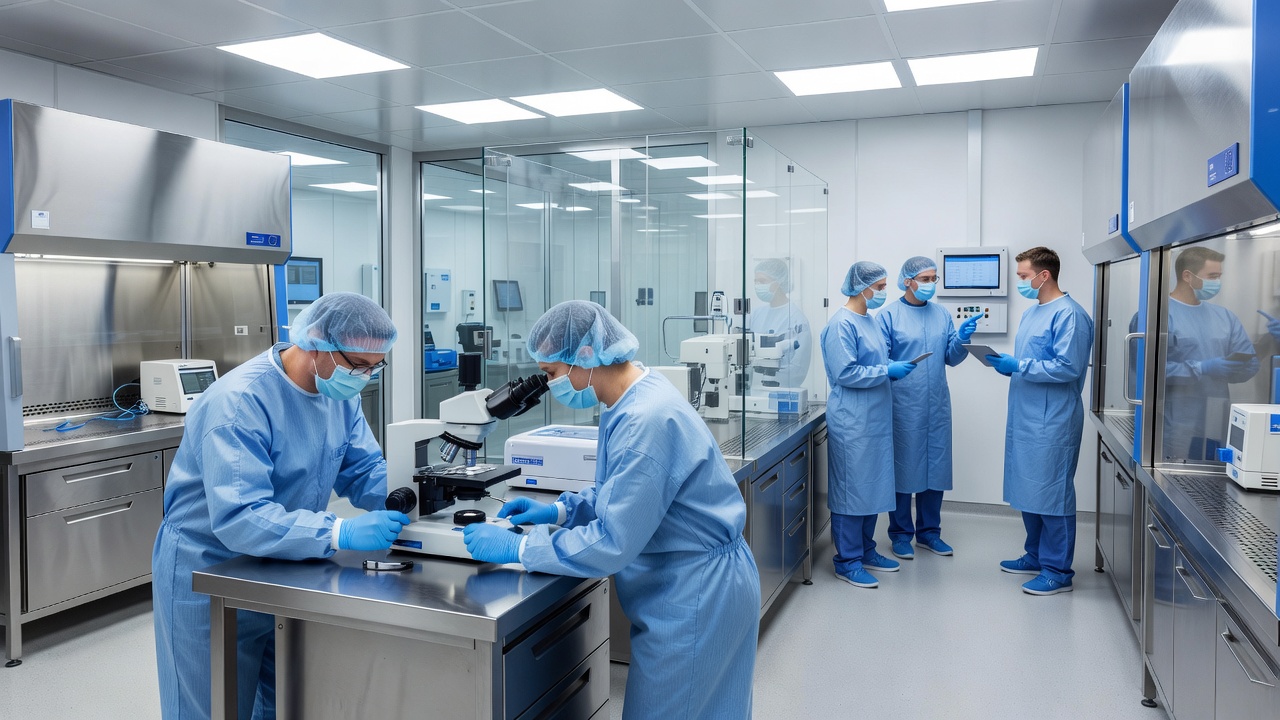
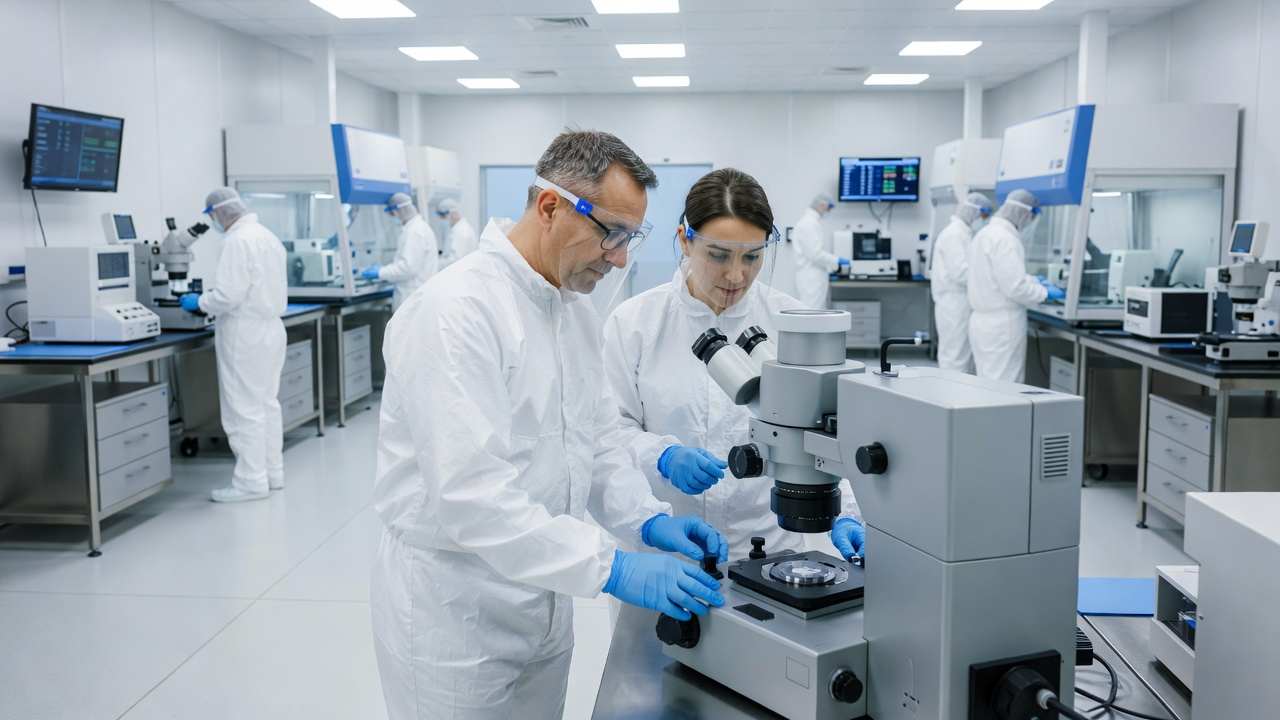
The updated regulations, effective from 2024, require stricter controls on air quality, particle contamination, and equipment sterilization in laboratories handling sensitive materials. Universities in Warsaw, Krakow, and Wroclaw are among the first to implement these measures. The new rules specify maximum allowable particle counts per cubic meter of air, mandatory use of HEPA filters, and regular validation of cleanroom classifications according to ISO standards. Polish institutions must achieve at least ISO class 7 in many research areas, which demands significant technological investments. Training programs for laboratory personnel are also being rolled out to familiarize staff with updated procedures for gowning, monitoring, and maintenance. This comprehensive approach is intended to minimize risks associated with microbial and particulate contamination during experiments.
Impact on University Research Programs
Early adopters like the University of Warsaw and Jagiellonian University have reported positive outcomes, including improved data reproducibility and enhanced ability to attract international research partners. The upgrades also support compliance with good laboratory practice guidelines, fostering an environment conducive to innovative discoveries in chemistry, biology, and physics. Despite initial disruptions to ongoing projects, administrators believe the long-term advantages outweigh the costs. Future plans include expanding these cleanroom capabilities to smaller regional universities to promote nationwide excellence in clean laboratory practices. These developments reflect a broader commitment to elevating the standards of scientific research in Poland, aligning with EU goals for safe and effective laboratory environments.