Eden Long · 6 October 2026
Polish universities are investing significantly in laboratory infrastructure to align with updated European Union cleanroom regulations. These standards emphasize stricter controls on airborne particles, temperature, humidity, and microbial contamination to support advanced research in pharmaceuticals, biotechnology, and materials science. Institutions across the country have begun phased renovations, prioritizing facilities used for sensitive experiments that require ISO-classified environments.
Key Requirements of Updated EU Cleanroom Standards
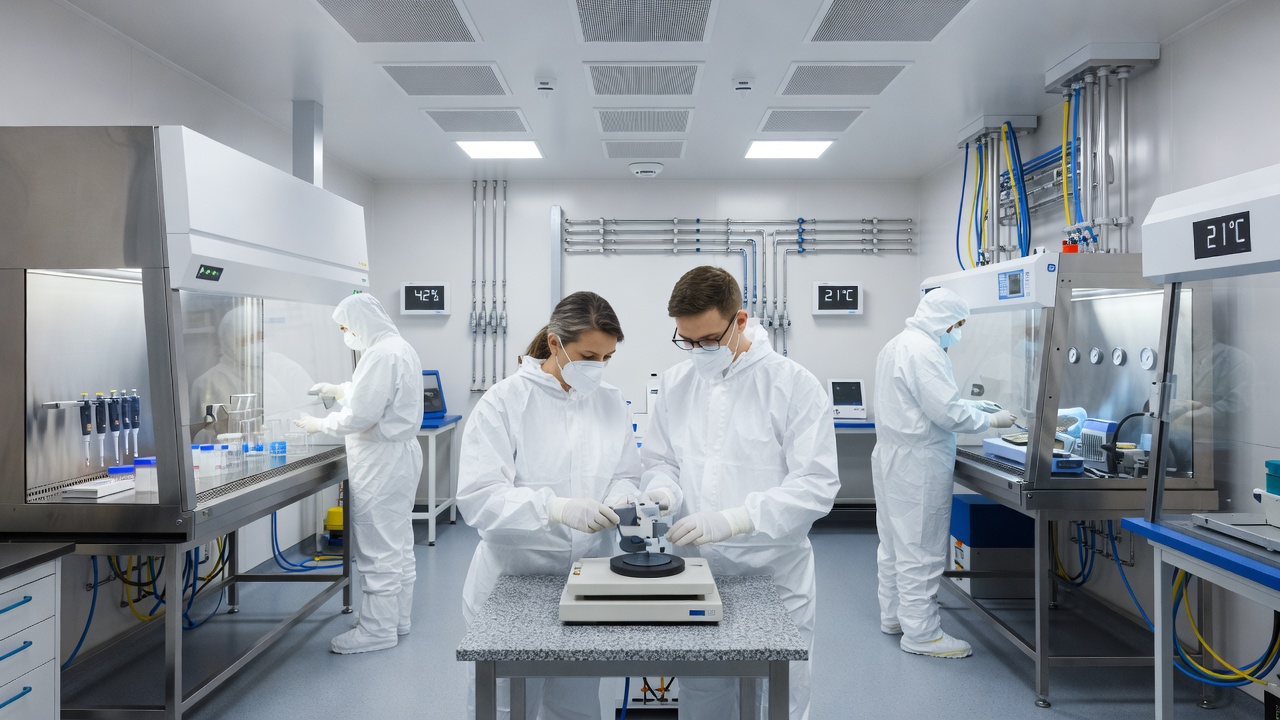
The revised directives build on ISO 14644 and EU GMP Annex 1, mandating enhanced air filtration systems, gowning protocols, and real-time environmental monitoring. Universities must now document particle counts at multiple size thresholds and maintain validated cleaning procedures. Compliance also involves staff training programs focused on aseptic techniques and contamination prevention. Funding from national grants and EU structural programs has accelerated these transitions, with several rectors noting that non-compliance could restrict participation in collaborative research projects. Early adopters report improved data reproducibility and reduced experiment failures attributed to environmental variables.
Technical upgrades include installation of HEPA and ULPA filters, pressure cascade systems, and automated sensors integrated with building management software. Laboratories handling cell cultures or nanoparticle synthesis face particularly rigorous validation schedules. Audits by national accreditation bodies will verify adherence, with penalties possible for persistent deficiencies. Experts highlight that these measures protect both researchers and the integrity of scientific outputs destined for clinical or industrial applications.
Implementation Across Major Polish Institutions
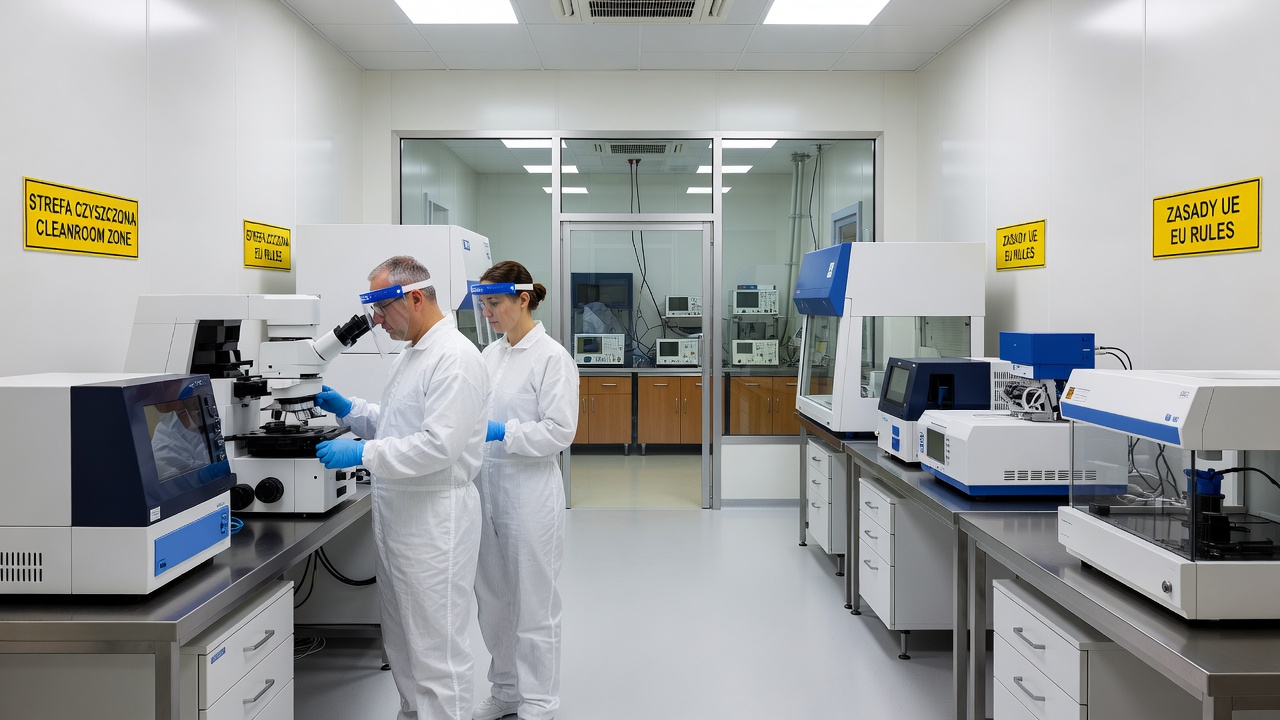
At the University of Warsaw and Jagiellonian University, dedicated cleanroom suites have been commissioned for chemistry and life sciences departments. Technical teams have recalibrated HVAC systems and introduced pass-through chambers to minimize ingress of contaminants. Similar projects at Wrocław University of Science and Technology focus on semiconductor-related research, incorporating static-dissipative flooring and specialized lighting. Project timelines span 18 to 36 months, with interim modular cleanrooms enabling continued operations during construction. Administrators emphasize transparent communication with faculty to manage workflow disruptions while achieving full regulatory alignment by the mandated deadlines.
These developments position Polish academic laboratories competitively within the European research landscape. Sustained investment in maintenance contracts and periodic requalification ensures long-term adherence. Overall, the upgrades reflect a broader commitment to elevating laboratory practices and fostering innovation under harmonized continental standards.