Ines Griffin · 5 November 2026
Modern Sterilization Advances Offer Technical Schools Pathways to Regulatory Adherence and Reduced Expenses
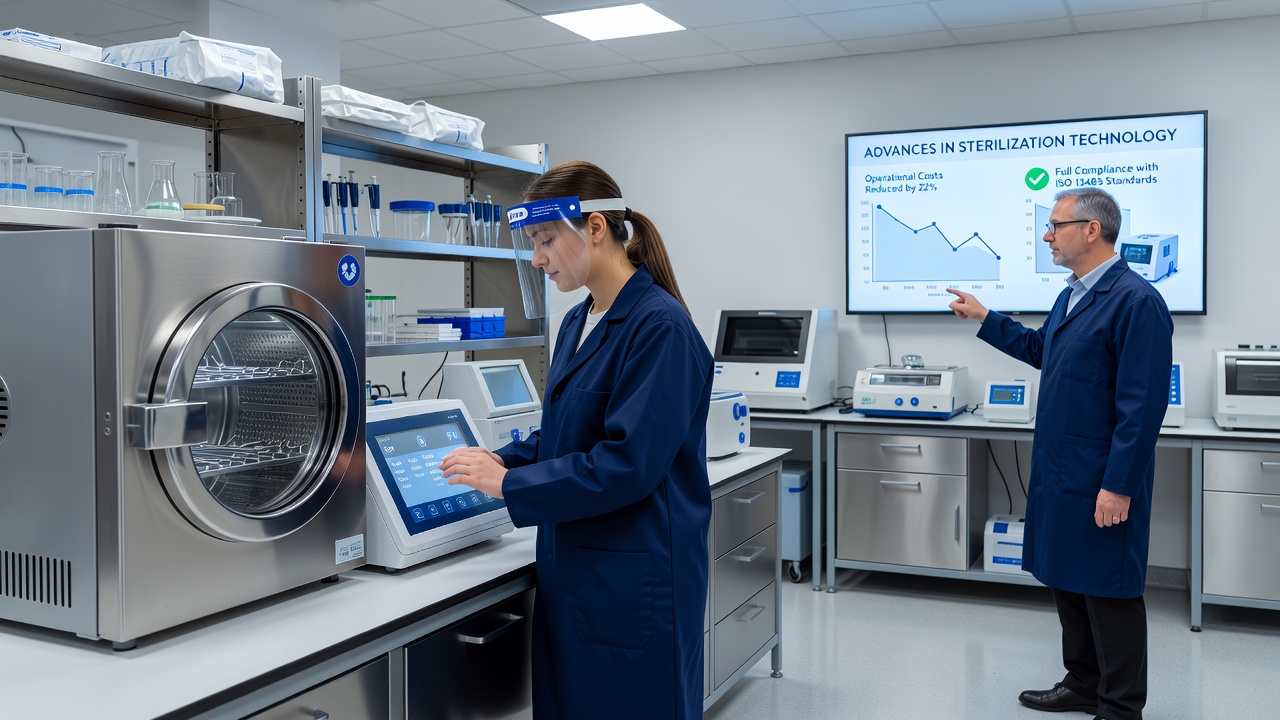
Technical schools across multiple regions face mounting pressure to maintain sterile environments in training labs while managing tight budgets, and recent developments in sterilization technology provide concrete tools to address both demands simultaneously. Researchers have documented shifts toward energy-efficient autoclaves, low-temperature plasma systems, and automated chemical indicators that reduce cycle times without compromising microbial kill rates, according to reports from the Centers for Disease Control and Prevention.
These innovations integrate sensors and software that track parameters in real time, allowing facilities to log data automatically for audits rather than relying on manual records. Vocational programs in fields such as nursing assistance, culinary arts, and industrial maintenance now incorporate these systems into curricula, giving students direct exposure to equipment that meets updated guidelines from agencies in the United States, Canada, and Australia.
Key Technological Shifts in Sterilization Equipment
Traditional steam sterilization required extended exposure periods and higher water consumption, yet newer models employ vacuum-assisted cycles and heat recovery mechanisms that cut resource use by measurable margins. Data from industry analyses indicate that facilities adopting these units report shorter turnaround times between classes, which supports higher enrollment without expanding physical space. Plasma-based sterilizers operate at temperatures below 60 degrees Celsius, making them suitable for heat-sensitive plastics and electronics commonly used in technical training modules.
Automated loading systems further reduce labor hours, while integrated validation software flags deviations before cycles complete. Observers note that schools in urban districts have paired these machines with centralized monitoring dashboards accessible via institutional networks, enabling maintenance teams to address issues before they escalate into compliance violations.
Meeting Regulatory Standards Across Jurisdictions
Technical schools must align with standards set by bodies such as the Environmental Protection Agency in the United States and equivalent frameworks in the European Union and Health Canada. Updated validation protocols emphasize biological indicators and chemical integrators that provide verifiable evidence of sterility, and newer equipment embeds these checks into each cycle. Figures from regulatory summaries released in November 2026 highlight how digital logging features help institutions demonstrate adherence during inspections without additional paperwork overhead.
Programs that train students for careers in healthcare support or laboratory assistance benefit directly, because exposure to compliant equipment builds practical skills that employers expect. Schools in regional areas have cited reduced audit preparation time as a direct result of these embedded features, which generate exportable reports compatible with multiple oversight systems.
Operational Cost Reductions Through Efficiency Gains
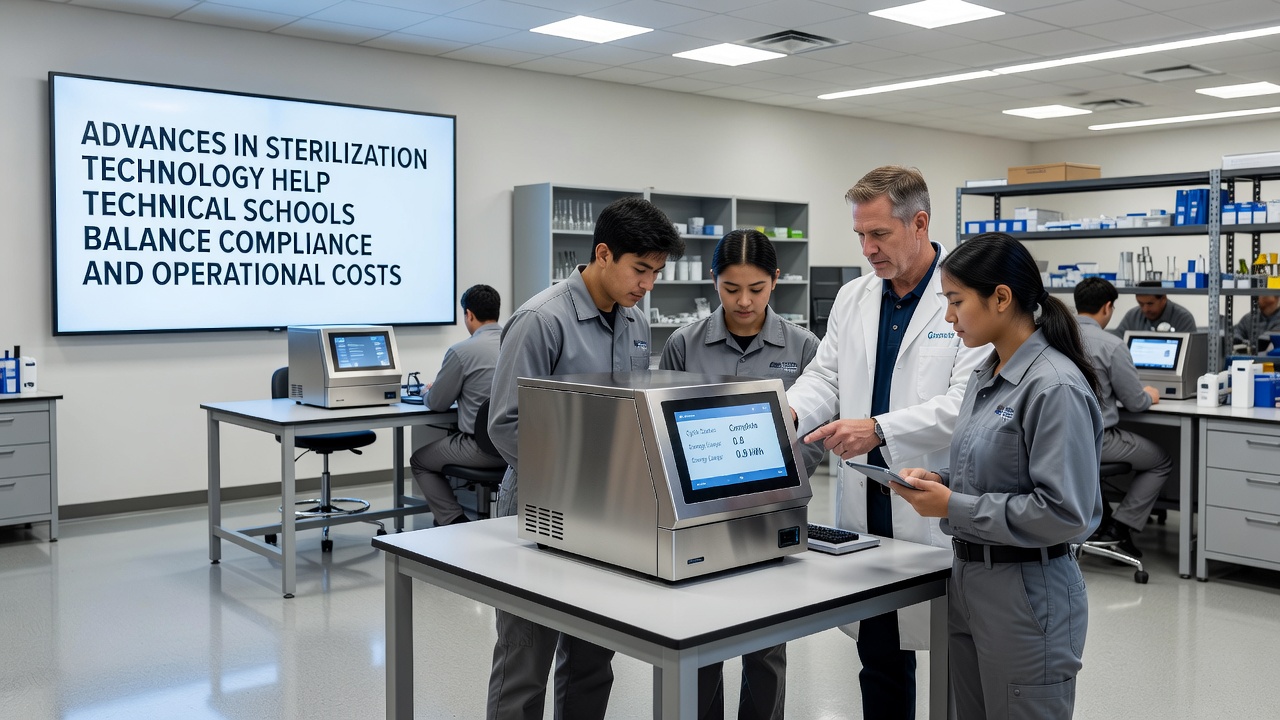
Energy consumption and consumable expenses represent major line items in lab budgets, yet variable-speed pumps and optimized steam generators in contemporary sterilizers lower both. Studies conducted by research institutions in Australia and the United Kingdom show average reductions in utility costs ranging from 15 to 25 percent after upgrades, depending on usage volume and prior equipment age. Maintenance contracts bundled wth new units often include predictive diagnostics that prevent unplanned downtime, further stabilizing annual expenditures.
Technical schools that phased in upgrades over two fiscal years reported that the initial capital outlay was offset by decreased water treatment needs and fewer replacement parts. Training departments have reallocated saved funds toward curriculum updates or additional simulation tools, creating a cycle where compliance investments yield broader educational returns.
Implementation Examples in Vocational Settings
One midwestern United States community college integrated low-temperature sterilizers into its allied health labs and tracked metrics over 18 months, noting consistent compliance scores alongside a measurable drop in per-cycle operating costs. In parallel, a Canadian polytechnic institute adopted automated indicator readers that interface with its learning management system, allowing instructors to incorporate real compliance data into student assessments. These cases illustrate how equipment choices influence both regulatory posture and day-to-day resource allocation.
Institutions in the Asia-Pacific region have followed similar patterns, combining sterilization upgrades with staff development programs that emphasize proper loading techniques and cycle selection. The result has been fewer rejected loads and extended equipment lifespan, according to aggregated facility reports.
Looking Ahead to Sustained Integration
As technical education continues to emphasize hands-on competencies, sterilization technology will likely remain a focal point for both compliance officers and budget planners. Continued refinement of sensor accuracy and cycle optimization algorithms promises further incremental gains in efficiency. Schools evaluating future purchases now weigh total lifecycle costs against regulatory alignment, guided by performance data released through government and academic channels.
Conclusion
Advances in sterilization technology supply technical schools with measurable mechanisms to satisfy regulatory requirements while containing operational expenses. Real-time monitoring, reduced resource consumption, and automated documentation together form a practical framework that supports both educational delivery and institutional sustainability across diverse regulatory landscapes.