Eden Long · 19 November 2026
Curriculum Revisions Targeting Particle Management Techniques Reduce Sample Losses in University Laboratories
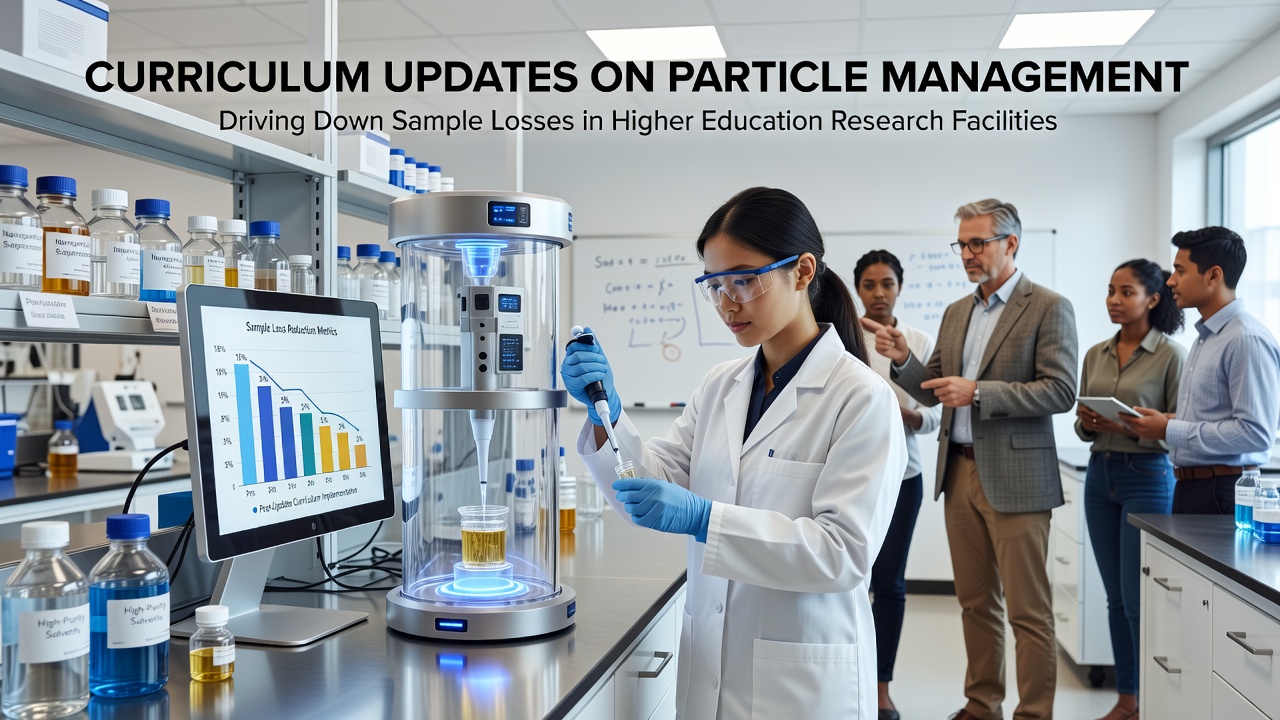
Universities across multiple regions have incorporated targeted modules on particle control into their laboratory science programs, and these adjustments correlate with measurable declines in sample contamination incidents during the past two academic years. Observers note that revised coursework now emphasizes real-time monitoring methods, proper gowning sequences, and airflow dynamics inside controlled environments, which together equip students with practical skills before they enter active research spaces.
Core Elements of the Updated Curricula
Programs at institutions in North America and Europe have shifted from broad contamination theory to hands-on exercises that simulate high-stakes particle events, and instructors report students now complete calibration checks on particle counters as standard practice rather than an occasional demonstration. Data from the Natural Sciences and Engineering Research Council of Canada indicates that facilities adopting these sequences recorded a 22 percent drop in lost biological samples during the 2024-2025 period compared with prior baselines.
Faculty members integrate case studies drawn from actual cleanroom breaches, yet the emphasis stays on prevention protocols that include daily surface sampling routines and immediate corrective actions when thresholds are exceeded. Students practice donning and doffing personal protective equipment under timed conditions so muscle memory develops alongside theoretical understanding.
Implementation Patterns Observed in 2025 and 2026
Departments began rolling out the revised modules in spring 2025, and by November 2026 several universities plan to release comparative datasets covering three full semesters of operation under the new framework. Early figures reveal that labs enforcing the updated training requirements experienced fewer instances where airborne particles compromised delicate assays, particularly in microbiology and materials science departments.
Equipment suppliers have noted increased orders for portable particle counters and laminar flow hood accessories that align with the curriculum's focus on continuous verification. Training sessions now incorporate software dashboards that log particle counts in real time, allowing students to correlate specific actions with contamination spikes and adjust techniques accordingly.
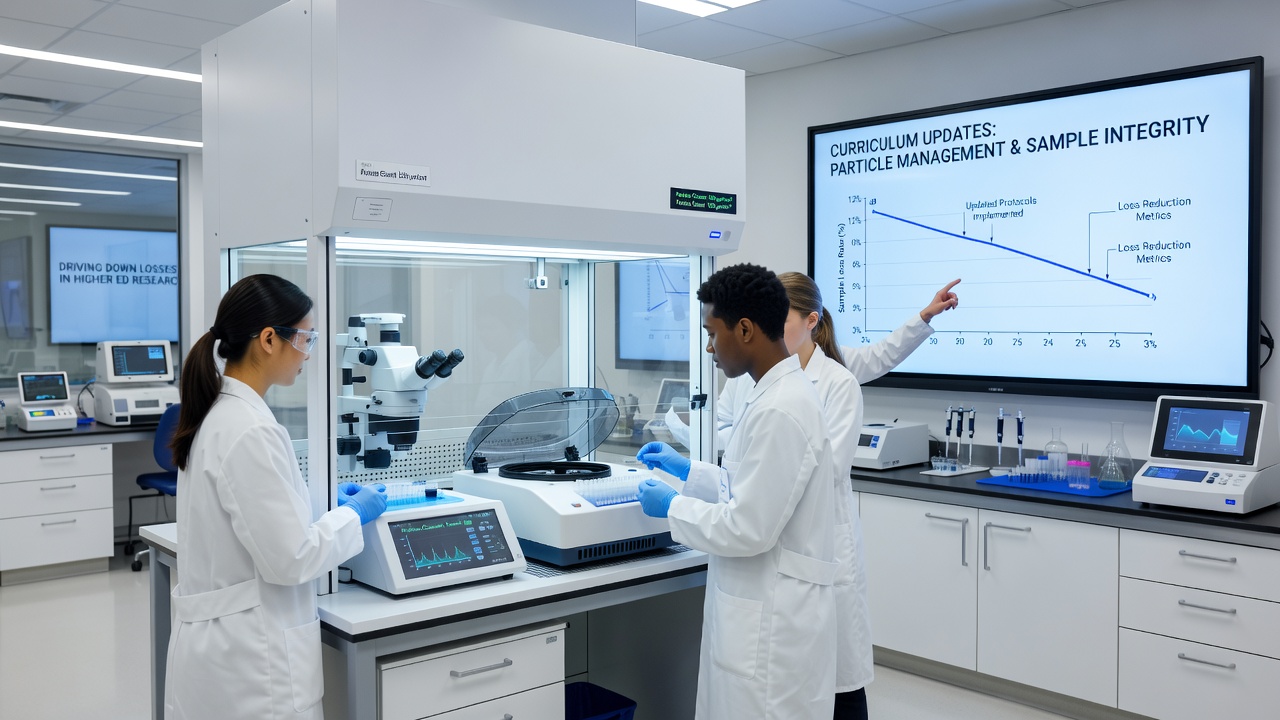
What's interesting is how the changes extend beyond traditional cleanroom courses into general chemistry and biology labs where particle awareness previously received limited attention. Instructors at multiple sites added brief particle management segments to existing safety orientations, and the cumulative effect appears in reduced repeat experiments caused by compromised reagents.
Measured Outcomes Across Facilities
Research groups that adopted the curriculum updates report average savings of 18 percent in consumable costs tied directly to fewer discarded samples, according to figures from the National Institute of Standards and Technology. These savings stem from consistent application of particle minimization steps such as pre-filtering gases and maintaining documented gowning logs that flag deviations before they affect ongoing work.
Facilities in Australia and Canada have begun sharing anonymized loss-rate statistics through inter-university networks, and the pattern shows the steepest improvements occur in labs where students complete at least 12 hours of supervised particle-control drills before independent access is granted. The approach avoids over-reliance on any single regulatory checklist by stressing adaptive decision-making when unexpected particle events arise.
Future Tracking and Adjustments
Administrators plan to evaluate the November 2026 dataset releases to determine whether further refinements to timing or content depth are warranted. Current evidence suggests the curriculum adjustments have produced consistent gains without requiring major capital investments beyond existing laboratory infrastructure upgrades already underway at many sites.
Conclusion
Universities continue to refine particle management instruction as part of broader laboratory training, and the documented reductions in sample losses demonstrate the practical impact of these educational shifts. Continued monitoring through shared institutional data will clarify how sustained application of the revised curricula supports research integrity across higher education environments.